Your facility requires consistent cleaning schedules tailored to unique hazards, daily throughput, allergen management, and regulatory visits, with verifiable documentation confirming food safety measures, inspection compliance, and health department standards. The information following give details about essential cleaning protocols.
Main Points
- Sanitation specialists in Brampton serve restaurants, grocery departments, commissaries, warehouses, bakeries, schools, mobile vendors, and allergen-sensitive operations.
- They sanitize frequently contacted areas, food-contact equipment, kitchens, floors, drains, restrooms, and storage areas using zone-based workflows to eliminate cross-contamination.
- Approved specialists validate proper chemical concentration, suitability, and exposure duration, then document finalization with tests, assessments, and action records.
- Proper maintenance schedules consider risk, production rate, format changes, incidents, and requirements when designating everyday, regular, and seasonal tasks by area.
- Liability, colour-coded instruments, HACCP, health regulatory understanding, WHMIS instruction, references, and audit-ready sanitation documentation are vital vendor attributes.
Which Brampton Facilities Need Food Safety Cleaning?
You must maintain food safety cleaning if your operation is falls under public health inspection, food premises regulations, or internal HACCP-based controls. This covers dining establishments, employee cafes, distribution hubs, market sections, meat shops, fish stands, retail outlets, and food service kitchens.
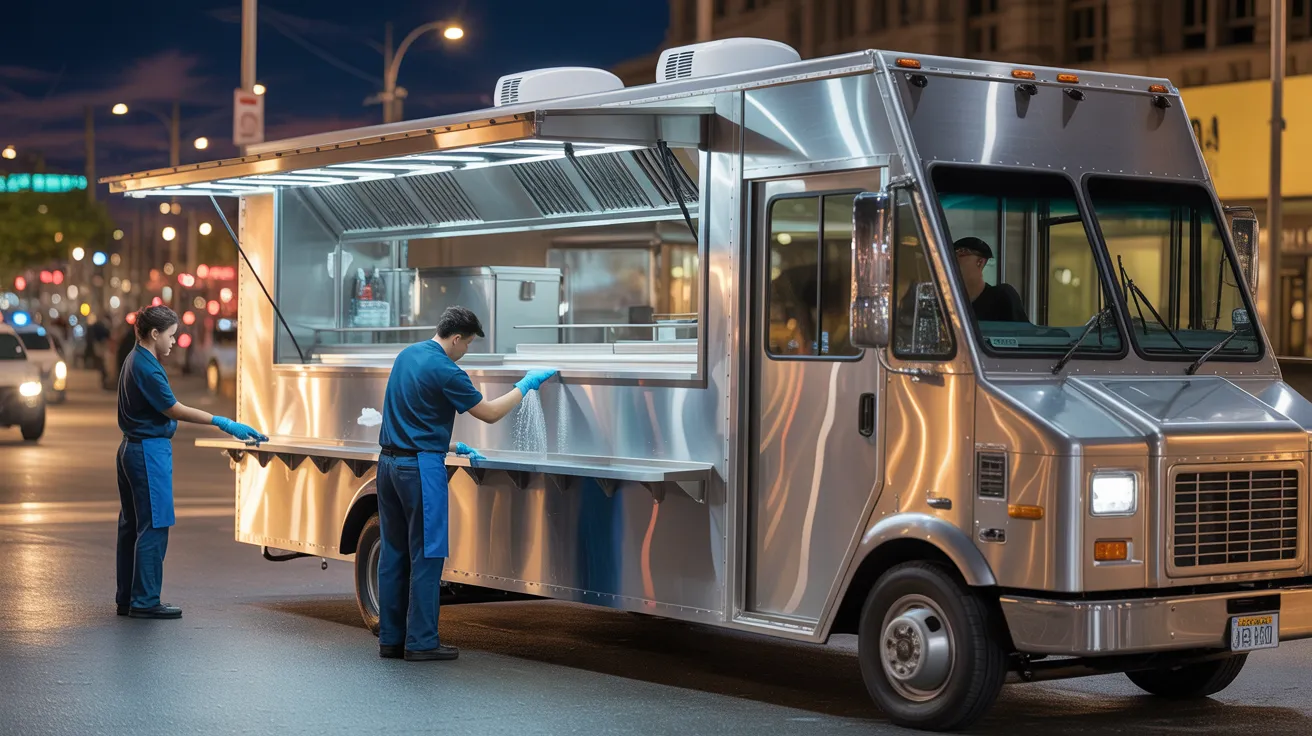
Compliant food safety cleaning is furthermore necessary in storage warehouses, production plants, freezer facilities, bakeries, school nutrition services, reception halls, and meal delivery centers. Portable and seasonal operations matter too, including catering vehicles, festival sellers, and pop-up stands. Your facility must have recorded sanitation procedures should your workers prepare supplies, portion completed foods, reheat products, or manage allergen records. In Brampton, cleanliness continues to be not discretionary; it constitutes lawful, operational, and customer protection adherence.
What Do Brampton Cleaning Experts Clean?
Your facility requires professional cleaners who sanitize all high-touch areas, cooking and food prep areas, all floor types, and toilet facilities to maintain food safety compliance and public health standards. These zones receive attention due to their elevated cross-contamination potential, trip and slip dangers, and violations of hygiene standards.
If you grasp what they sanitize, you'll be able to confirm your facility meets required operational and regulatory standards.
Critical High-Touch Surface Disinfection
develop a sanitizing plan
check that sanitization was successful
Kitchen Areas, Floor Surfaces, and Bathroom Spaces
Brampton cleaning professionals will address kitchens, floors, and restrooms since each space presents separate hygiene concerns, slip-and-fall, and public health challenges. In industrial kitchens, you need degreasing on cook lines, equipment exteriors, drains, prep surfaces, and splash zones to minimize bacterial growth and pest activity.
Floor care that is recorded should equally be anticipated. Technicians scrub and extract buildup from grout, tile, and vinyl flooring, then apply proper moisture management so you can limit falls and meet regulatory standards. They also handle entry points where dampness and dirt enter the building.
Restroom sanitation requires decontaminating touchpoints, fixtures, partitions, dispensers, and waste containers, restocking supplies and controlling odours. They also maintain restaurant cleaning supply rooms where product storage, sink cleanliness, and drain systems impact daily sanitation standards and worker protection.
How Food Safety Cleaning Benefits Brampton Operations
In Brampton, you must copyright food-safe cleaning standards to meet health code requirements and achieve compliance. You also minimize bacterial spread through proper cleaning of food-preparation surfaces, appliances, and frequently-touched items. Most importantly, you help protect community wellness by reducing the chance of food poisoning in your establishment.
Food Safety Regulations
Brampton food companies must comply with rigorous sanitary regulations, so cleaning procedures is essential to satisfying health codes, ensuring the safety of customers, and sidestepping penalties. You must maintain sanitary food-contact surfaces, recorded sanitation plans, safe chemical management, and verifiable staff procedures that correspond to municipal and provincial inspection expectations.
Preserving strong cleaning records establishes due diligence for compliance reviews and demonstrates that your practices are uniform, replicable, and documented.
Cross-Contamination Prevention
Maintaining regulatory compliance copyrights on your power to stop cross-contamination during everyday food preparation and sanitation. You must separate raw ingredients from ready-to-eat foods, sterilize work zones between assignments, and store chemicals away from food-contact items. Clear procedures reduce transfer risks and support consistent compliance during inspections.
You might establish allergen separation to stop main allergens from reaching shared surfaces, containers, or equipment. Use dedicated cutting boards, color-coded tools, and strict utensil labeling so staff don't mix items throughout cooking or delivery. Mandate handwashing after handling raw meat, seafood, eggs, or allergen-containing products. Change wiping cloths regularly, and check sanitizer strength with test strips. When you train staff to follow these controls each shift, you create a cleaner, safer operation that meets Brampton's food safety expectations daily.
Public Health Protection
If food safety cleaning declines, you don't merely risk a failed inspection—you amplify the risk of pathogenic contamination affecting customers, staff, and the broader Brampton area. You also undermine your responsibility in protecting public health, especially in high-traffic food premises where pathogens travel quickly through surfaces, equipment, and touchpoints.
You need sanitation systems that remove contaminants, disinfect appropriately, and confirm results. This involves maintaining exposure durations, using authorized sanitizers, logging schedules, and coaching employees to satisfy health-unit expectations. These measures prevent pathogen control by decreasing microbial counts before contaminating food or hands. Throughout Brampton, effective sanitation protects vulnerable communities, reduces outbreak risk, and proves accountability. When you follow proper protocols, you go beyond requirements—you lower hazards and enable safer food service throughout the area.
Why Is Cleaning Essential for Food Safety Compliance?
Prioritizing rigorous cleaning routines reinforces food safety compliance by reducing contamination risks, managing pathogen expansion, and positioning your facility in accordance with sanitation requirements under HACCP-based programs and public health regulations. You verify that food-handling surfaces are visibly clean and microbiologically controlled, backing documented preventive controls and inspection readiness.
Comprehensive cleaning additionally solidifies allergen mitigation by eliminating residues that can trigger undeclared allergen exposure. When you pair approved sanitation protocols with compliance training, your staff can adhere to uniform procedures, use approved chemicals properly, maintain records thoroughly, and address discrepancies ahead of they escalate. Consistent cleaning promotes traceability, verifies remedial measures, and proves commitment when audited. Furthermore, it aids you protect product quality, copyright regulatory compliance, and decrease the likelihood of regulatory actions, product recalls, complaints, and preventable public health risks.
How Should You Schedule Commercial Cleaning Services?
peak production periods, product transitions, spillage events
Schedule drain systems, vents, storage racks, and difficult-to-access zones weekly or monthly, relying on inspection results and sanitation documentation.
How Do You Choose Brampton Cleaning Experts?
Screen providers initially by their food-safe sanitation requirements—not budget alone. You need to confirm that every company meets CFIA, public health, and HACCP standards for your operation. Demand insurance verification, WHMIS compliance, training records, and management systems. Evaluate technician knowledge of contamination dangers, chemical safety, and documented sanitation practices.
You must also evaluate business consistency and accountability. Seek references from Brampton food companies, then assess response times, corrective-action procedures, and communication standards. Ensure the company enables supplier checks and can provide inspection-compliant records when authorities or third parties demand verification. Verify equipment care, colour-coded tools are deployed correctly, and site-specific hazards are understood. A reputable service safeguards compliance, product safety, and your brand reputation.
What does a cleaning and sanitation plan encompass?
Create a documented plan that makes clear every sanitation responsibility, standard, and task prior to production start. You should outline cleaning frequencies, approved chemicals, dilution rates, contact times, tools, and verification methods for each zone, surface, and piece of equipment. Include pre-operational inspections, corrective actions, and employee training requirements.
Your framework should also include cross-contamination prevention, waste disposal, pest management measures, and scheduled documentation for bathrooms, drainage, ground surfaces, and food-handling zones. Clarify how you'll distinguish raw from ready-to-eat operations, help with ingredient tracking, and copyright accurate allergen labeling through validated cleaning between product changes. You should establish accountability, preserve signed records, and review results against regulatory standards, HACCP controls, and customer requirements. When gaps appear, revise procedures immediately and retrain staff.
Commonly Requested Inquiries
Are cleaning services offered for overnight shifts in Brampton properties?
Yes, you can arrange cleaning services to support overnight shifts in Brampton facilities. You'll coordinate nighttime cleaning around operational windows, access requirements, and personnel needs. Services typically establish nighttime procedures to minimize disruption, maintain standards, and record finished tasks. You should confirm arrival schedules, supervision, lockout protocols, and waste management before starting service.
Will sanitation professionals respond to hazardous incidents?
Yes, you can expect Brampton sanitation professionals who offer hazard containment solutions. They manage hazardous materials, assess risks, contain contamination, and start rapid decontamination to reduce exposure and prevent business interruption. You should verify arrival timeframes, training certifications, safety procedures, and disposal procedures. If your facility must comply with industry standards, choose a provider that documents incidents, maintains regulatory procedures, and enables compliance verification.
Do eco-friendly disinfectants perform safely on food-contact surfaces?
Definitely, natural disinfectants work safely on food preparation areas if you purchase solutions certified for food use that meet compliance requirements. You should check contact times, mixing proportions, and rinse protocols prior to application. Botanical formulations reduce harsh chemical exposure, but you must have evidence of effectiveness against harmful bacteria. To maintain residue-free conditions, get details on this stick to manufacturer instructions exactly and confirm your sanitizer complies with applicable food industry sanitation standards.
Do cleaning plans permit seasonal variations?
Certainly, sanitation programs respond to seasonal production changes successfully. Adapt schedules, staff levels, sanitizers, and validation steps to align with operational cycles while upholding compliance standards. Minimize production downtime through scheduling sanitization amid equipment transitions, maximum output, and usage patterns. Concurrently update SSOPs, employee training, and environmental monitoring to account transient threats, additional allergens, or increased soil loads. Regular reviews maintain the schedule efficient.
Do commercial cleaning providers instruct staff members in proper hygiene techniques?
Indeed, professional cleaners often offer staff training on sanitation best practices. Your staff obtains training on safe chemical application, exposure durations, cross-contamination prevention, equipment breakdown, and documentation. They generally adhere to training with HACCP, GMP, and CFIA or local public health requirements. Many also execute compliance inspections to verify compliance, identify gaps, and reinforce corrective actions. This assists you to maintain consistent procedures, pass inspections, and decrease foodborne illness risks each day.
Final Thoughts
Through engaging Brampton commercial cleaning and food safety specialists, you accomplish much beyond organizing—you keep your operation prepared for inspections and your procedures meet requirements. From production floors to kitchens, all maintained surfaces and organized zones help prevent pest problems and avoid major losses. Through scheduling maintenance on suitable timelines and sticking to a solid cleaning plan, you safeguard employees, your patrons, and your good name. Within strict regulatory frameworks, clean conditions cannot be considered optional—they are fundamental to success.